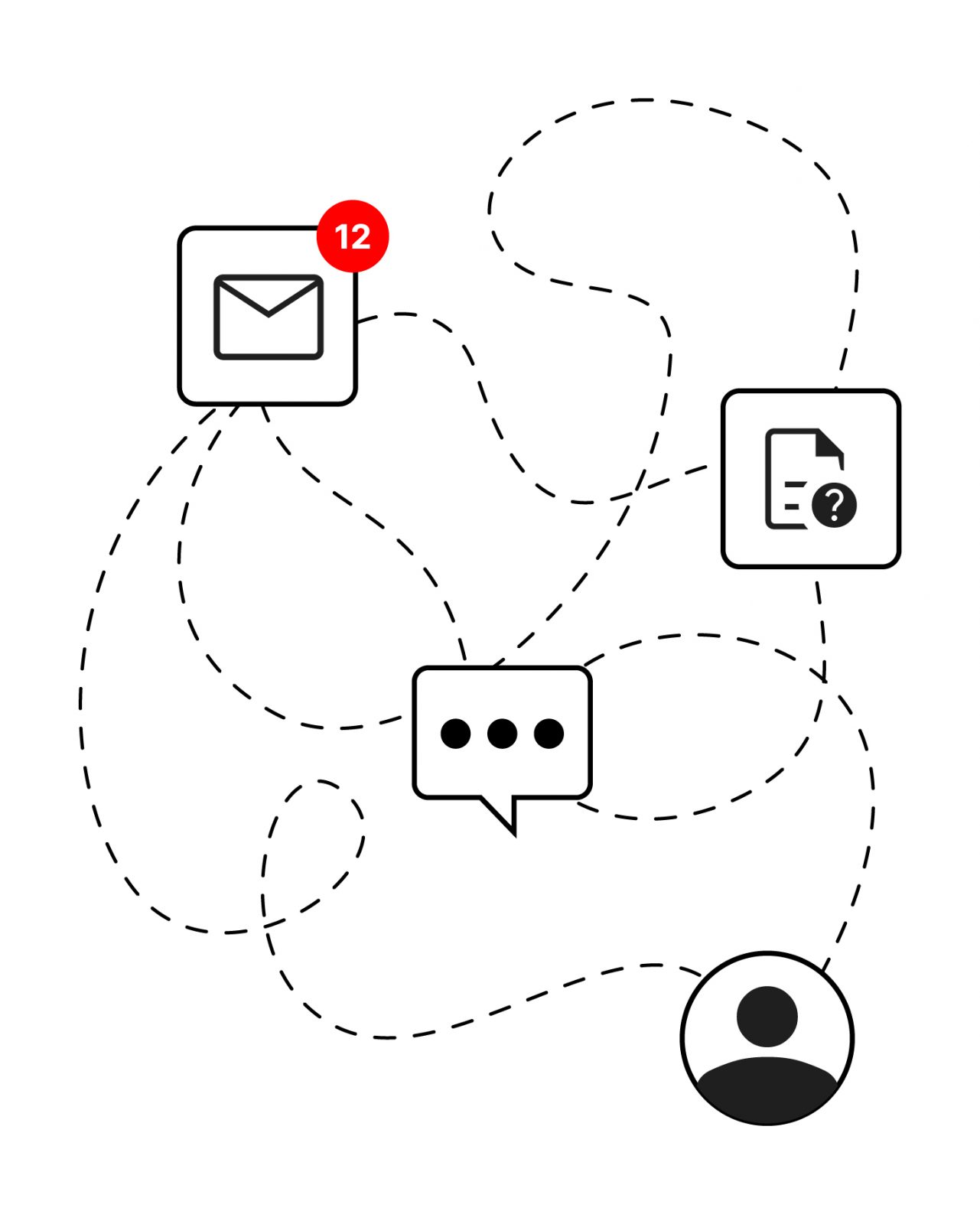
Before a material, component or supplier is selected, teams are already making critical decisions across emails, spreadsheets, samples and supplier conversations.
Material Exchange structures early-stage sourcing so Product Development, sourcing teams, T1 and T2 suppliers can align faster, validate cost, compliance and feasibility earlier, and move from brief to decision with less rework.
Before a material, component or supplier is selected, teams are already making critical decisions across emails, spreadsheets, samples and supplier conversations.
Material Exchange structures early-stage sourcing so Product Development, sourcing teams, T1 and T2 suppliers can align faster, validate cost, compliance and feasibility earlier, and move from brief to decision with less rework.
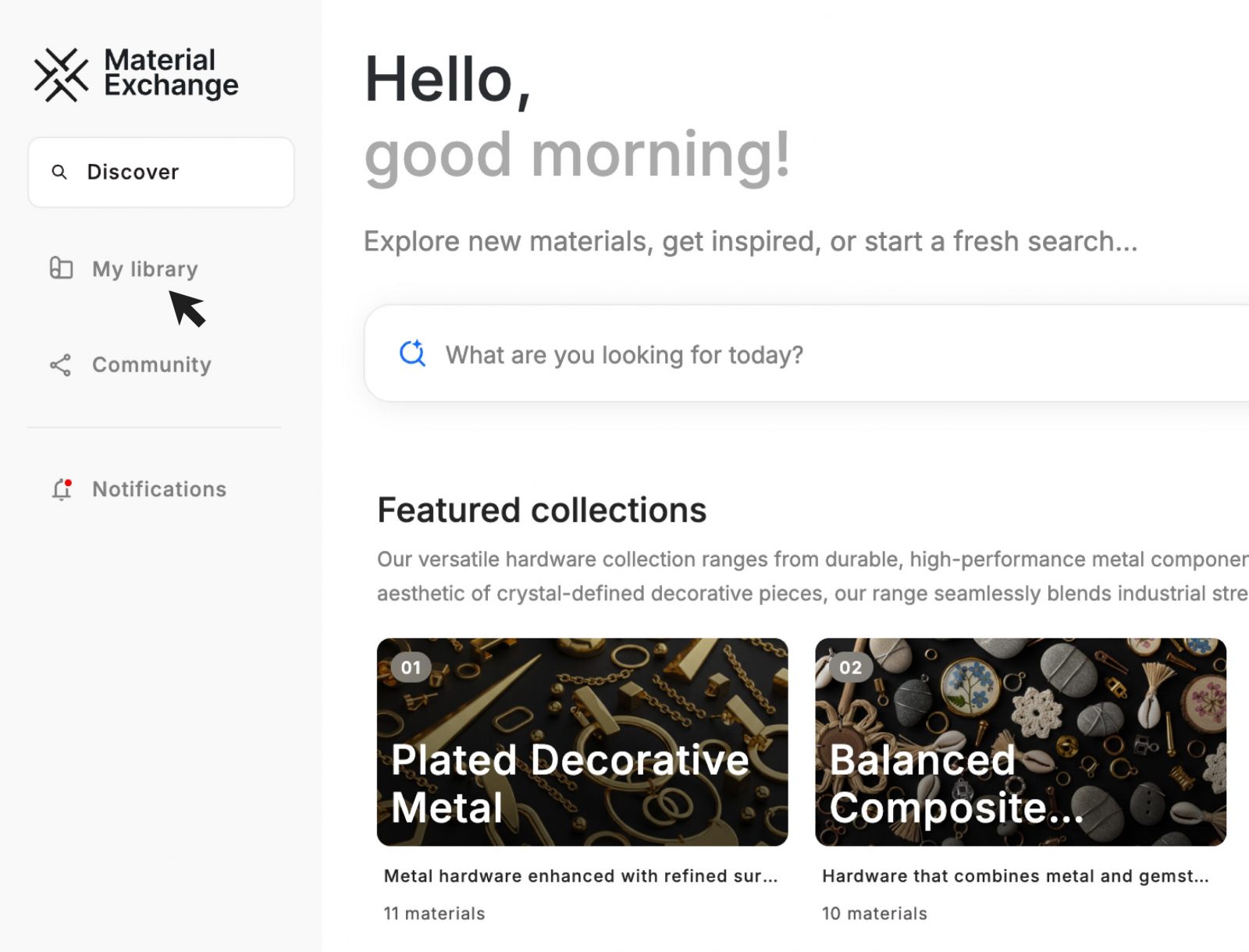
Material Exchange gives teams a structured, agentic environment to define sourcing direction, align stakeholders and coordinate sourcing earlier.
Frank AI acts as the agentic sourcing co-pilot inside this workflow. It helps teams structure briefs, identify relevant suppliers and materials, surface missing cost or compliance data, compare options, and flag gaps before decisions move downstream.
What changes when sourcing is structured earlier:
Design intent, cost targets and compliance requirements are defined upfront
T1 and T2 work from the same sourcing direction
Cost, compliance and feasibility are validated before development moves forward
Suppliers engage with better context and fewer iterations
Sourcing teams are being asked to move faster with smaller teams, more compliance pressure, tighter margins and more supplier complexity. This is why sourcing is moving toward agentic workflows – where AI helps teams structure inputs, evaluate options and keep supplier engagement moving.
PLM captures decisions after they are made. Material Exchange structures the messy stage before that – where options are explored, suppliers are aligned, costs are tested and risks first appear.
See how agentic sourcing would work in your workflow
In a walkthrough, we’ll map how sourcing decisions currently move across Product Development, sourcing, T1 and T2 suppliers. We’ll identify where coordination slows down, visibility is lost and rework starts to build up.
You’ll see where earlier sourcing alignment and validation can improve execution, reduce delays and lower sourcing risk.
We’ll walk through your current sourcing workflow and identify where sourcing coordination slows down, where rework starts to build up, and where earlier alignment and validation can improve execution.